
 नेपाली

Published: October 8, 2026
By Britant News
KATHMANDU
Nepal’s festive-season supply chain is facing growing pressure after disruptions at all three major overland trade routes with China raised concerns over potential shortages, higher prices and significant losses in customs revenue ahead of Dashain and Tihar.
The Tatopani, Rasuwagadhi and Korala border points have been disrupted following landslides, flooding and infrastructure damage, limiting the movement of goods from China at a time when traders typically increase imports to meet rising festive demand.
The government has intensified efforts to reopen Tatopani, but the Chinese side has yet to resume regular cross-border trade.
Rasuwagadhi, one of Nepal’s major trade gateways with China, suffered extensive damage following the devastating flooding along the Bhotekoshi corridor. Tatopani was also closed after Chinese authorities cited landslide risks in the Liping area.
The disruptions have affected imports of a wide range of goods, including ready-made garments, footwear, electric vehicles, smartphones, laptops, machinery, apples and walnuts.
According to Federation of Nepalese Chambers of Commerce and Industry President Anjan Shrestha, traders shifted their cargo to Korala after Tatopani and Rasuwagadhi were disrupted. However, that route has also faced restrictions.
Shrestha said around 400 containers carrying imported goods were swept away in the August 26 Bhotekoshi flood.
Rising pressure on festive markets
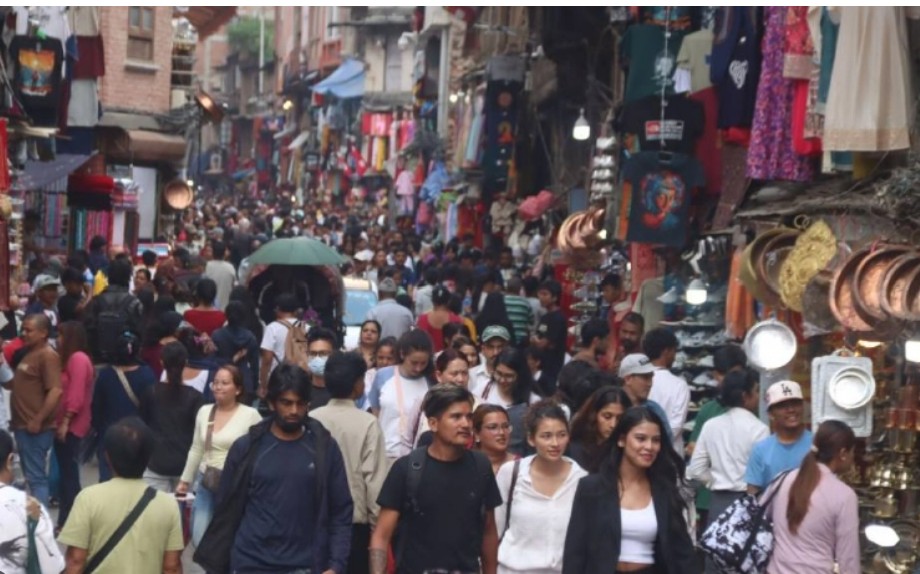
The disruption comes at a sensitive time for Nepal’s retail market. Dashain and Tihar account for an estimated 40 to 70 percent of annual retail sales, with remittance income further boosting consumer spending during the festive period.
Traders warn that prolonged border disruptions could lead to supply shortages and higher prices if alternative routes cannot handle the diverted cargo.
Last year, disruptions along the Rasuwagadhi route reportedly pushed clothing and footwear prices up by 15 to 30 percent, while freight costs increased by 20 to 40 percent and prices of essential food items rose by 10 to 50 percent.
Korala offers an alternative route through the Kaligandaki corridor, but its current infrastructure cannot handle large volumes of commercial freight. The border point is around 460 kilometres from Kathmandu and sits at an altitude of approximately 4,650 metres.
Government pushes for reopening
Business representatives have urged the government to step up diplomatic efforts with China to reopen Tatopani.
A joint Nepali-Chinese delegation has already inspected the affected border area. Officials say major road links on the Nepali side have been substantially repaired, but China has kept its side closed, citing administrative requirements, including the relocation of its customs facility from Zhangmu to Nyalam.
Sindhupalchok Chief District Officer Shashidhar Ghimire said prolonged closure ahead of Dashain could cause significant losses to businesses and consumers. Tatopani Customs alone generates around Rs 24–25 billion in annual government revenue, according to officials.
Infrastructure Development Minister Sunil Lamsal said Nepal is ready to resume operations from its side and remains in continuous communication with Chinese authorities.
Meanwhile, the Department of Customs has set a target of collecting Rs 150 billion in customs revenue by mid-October. Director General Yam Lal Bhusal said Rs 136 billion had already been collected and expressed confidence that the remaining Rs 14 billion could be raised within the deadline.
With the festive shopping season approaching, however, traders say the immediate priority is restoring reliable northern trade routes to prevent shortages and protect consumers from further price increases.