

 नेपाली

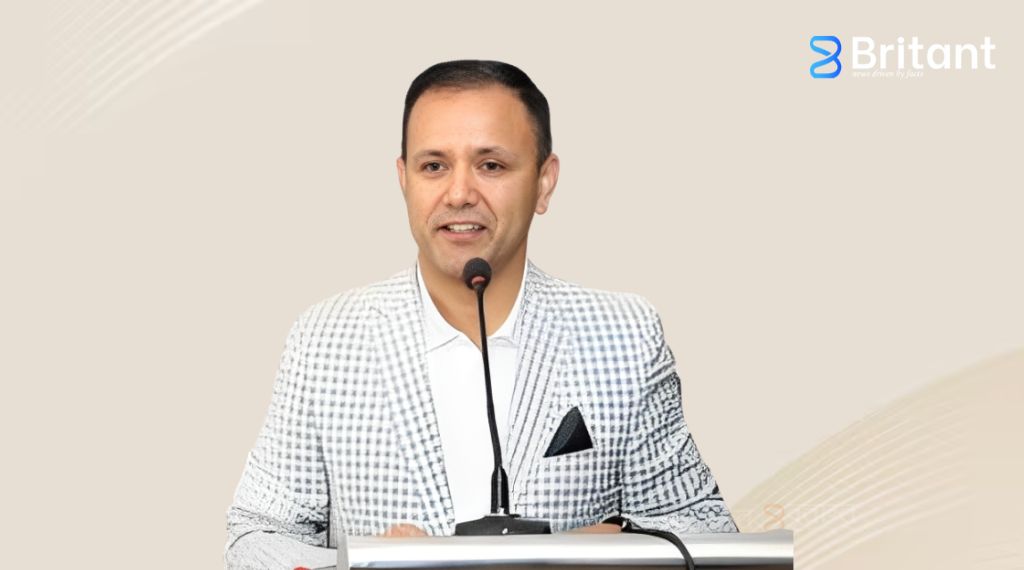
Kathmandu, What if the first question a bank asks a borrower is not “What can you pledge?” but “Can your business repay the loan?”
Global IME Bank’s DCEO Suman Pokharel has raised this question while calling for greater focus on borrower character, cash flow and credibility, alongside traditional collateral, in Nepal’s lending practices.
In a social media post, Pokharel referred to a 1912 congressional testimony by American banker J.P. Morgan, who argued that character was a fundamental basis of commercial credit.
More than a century later, Pokharel said the principle still has relevance to Nepal’s banking sector.
Is collateral getting too much weight?
Pokharel pointed to the sector’s strong reliance on land and fixed assets as loan security. The question, he suggested, should not simply be how much property a borrower can pledge. Banks also need to understand who the borrower is, how the business makes money and whether its cash flow is strong enough to repay the loan.
This matters particularly for businesses and entrepreneurs that may have a viable business model but do not own enough property to offer as collateral. Collateral remains an important form of security for banks. But Pokharel’s point is that the value of the property alone cannot tell the full story of a borrower’s ability to repay.
Cash flow tells a different story
A company can own significant assets and still struggle to generate enough cash to service its debt. On the other hand, a business with relatively few fixed assets can have steady revenues, healthy cash flows and a credible repayment record.
That makes factors such as business performance, cash flow, credit history and the borrower’s track record important parts of the lending decision, Pokharel argued.
One bank’s problem can become everyone’s problem
Pokharel also drew a lesson from the Panic of 1907 in the United States.
He noted how J.P. Morgan helped bring rival bankers together during the crisis, reflecting the reality that problems in one part of the banking system can quickly affect others.
For Nepal’s banking industry, the lesson is that banking risks cannot always be viewed in isolation. Banks are connected through deposits, lending, payments and other financial relationships, making system-wide risk a concern for the entire sector.
Banking has changed. Trust hasn’t.
The tools of banking have changed dramatically since Morgan’s time—from paper ledgers and telegrams to core banking, digital payments and real-time transactions.
But the basic relationship between a bank and its borrower remains much the same.
Pokharel’s central message is that collateral may provide security, but trust, character and the ability to generate cash flow are what ultimately support a loan.
His remarks put a broader question on Nepal’s credit system: Should lending decisions focus more on the strength of the borrower and the business behind the loan, rather than the property pledged against it?