

 नेपाली

Kathmandu, October 2, 2026
Nepal has recorded 9,923 cases of scrub typhus across 74 districts, with seven confirmed deaths, between January 1 and October 1, 2026, according to the Epidemiology and Disease Control Division (EDCD).
The latest EDCD situation report shows that infections increased sharply during the monsoon and late-summer months, with September recording the highest monthly total of 2,746 cases, followed by 2,571 cases in August and 1,342 in July.
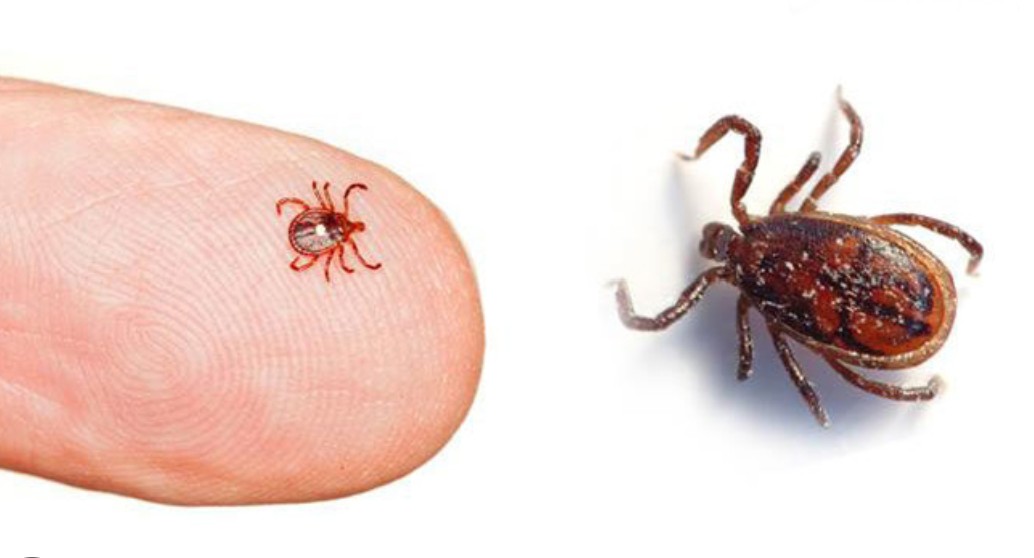
Scrub typhus is a bacterial infection caused by Orientia tsutsugamushi and transmitted through the bite of infected chigger mites. The mites are extremely small and are commonly found in grassland, agricultural fields, forests and areas with dense vegetation.
According to the report, Nepal recorded 326 cases in January, 406 in February, 633 in March, 709 in April, 589 in May and 578 in June. Cases then increased significantly in the following months.
Lumbini reports highest number of cases. Among the seven provinces, Lumbini recorded the highest number of infections, with 2,779 cases, accounting for 28 percent of the national total.
Sudur Pashchim reported 1,947 cases, while Gandaki recorded 1,864 cases. Bagmati reported 1,226 cases, followed by Koshi with 1,132, Karnali with 729 and Madhesh with 246 cases.
At the district level, Dang recorded the highest number of cases, with 624 infections. It was followed by Syangja with 513 cases, Bajhang with 456, Sankhuwasabha with 438 and Palpa with 396 cases. Dhading, Bardiya, Gorkha, Darchula and Salyan were also among the districts reporting the highest number of infections. Cases rise sharply during late summer.
The EDCD data indicate a significant increase in cases during the later months of 2026.
Nepal reported 1,342 cases in July, 2,571 in August and 2,746 in September. By comparison, the corresponding figures were 1,056, 1,663 and 1,692 in 2024, and 735, 1,681 and 2,366 in 2025.
Health authorities urge early treatment
The EDCD has urged people experiencing symptoms to seek medical attention without delay. Scrub typhus can be treated with medicines available free of charge at government health facilities.
Common symptoms include high fever, severe headache, muscle and body pain, fatigue, red eyes and skin lesions or scabs.
The health authority has advised people working in agricultural fields, grasslands, forests and shrub-covered areas to wear long-sleeved clothing, full-length trousers and sturdy footwear.
People returning from such areas are also advised to change clothes and wash with lukewarm water and soap. The use of insect repellent has also been recommended.
The EDCD has further advised households to control rodent habitats and clear tall grass and bushes around homes.
People experiencing sudden high fever, severe headache, body pain or red spots on the skin have been advised to seek immediate medical evaluation.
Source: Epidemiology and Disease Control Division (EDCD) Situation Report, as reported by The Himalayan Times